



The Clubhouse of Spearfish

[ez-toc]

Introduction

Ever hit a golf ball and wondered why it decided to take a scenic tour of the rough, despite your best efforts to send it down the fairway? Well, before you blame those pesky golf gods or consider a career change to mini-golf, you might want to take a closer look at your ball. Yes, that little sphere might just be the unsung hero (or villain) of your golf game. In “The Science of Golf Ball Design: How It Impacts Your Game,” we dive into the nitty-gritty of what makes a golf ball, well, a golf ball. From the mysteries of its dimples to the secrets of its core, we’re slicing (pun intended) through the science that can turn your game from ‘fore!’ to ‘score!’. So, grab your clubs, Spearfish locals, and let’s get down to the core of the game—literally.

How Are Golf Balls Designed?

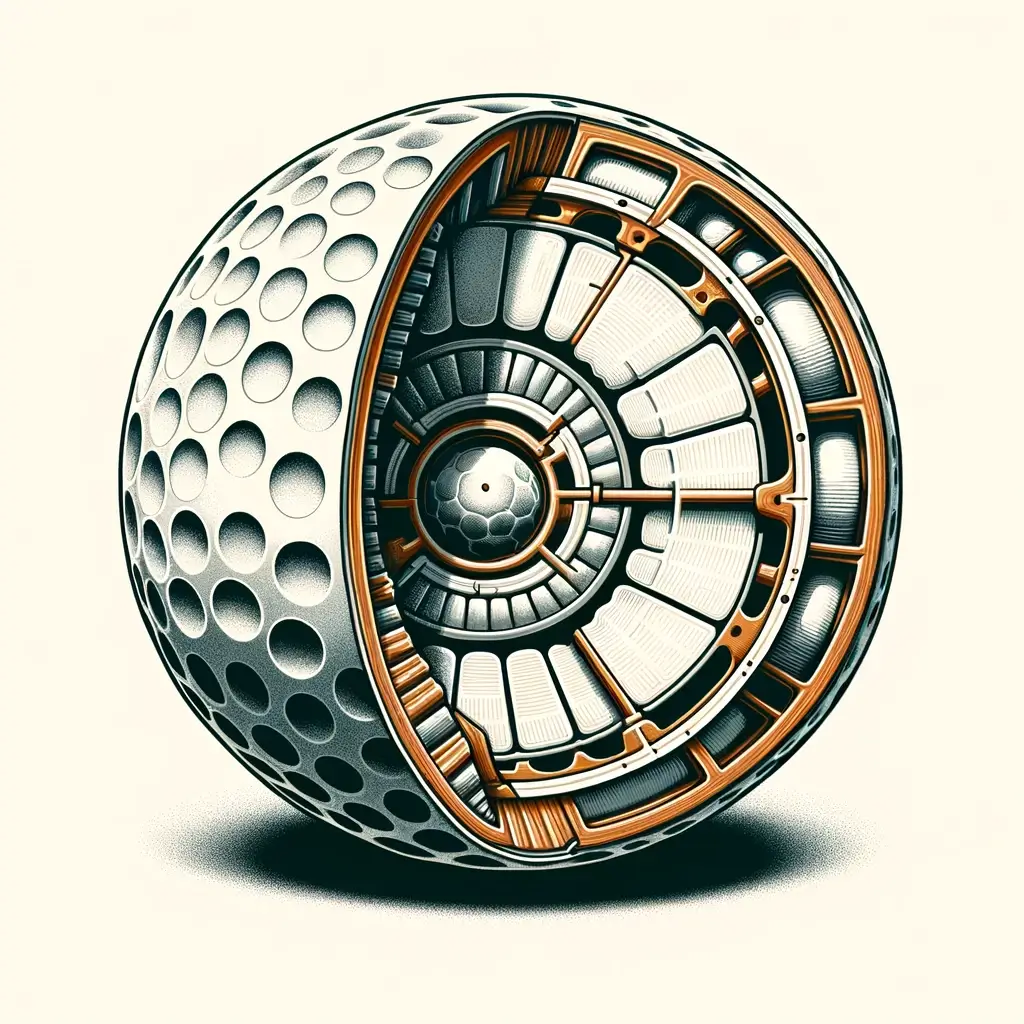
Golf balls may look simple and unassuming, but they’re the product of centuries of innovation and scientific exploration. Understanding the anatomy of a golf ball is crucial for any golfer, from the weekend warrior at the Clubhouse of Spearfish to the aspiring pro. Let’s break down what goes into these marvels of engineering and how each layer plays a pivotal role in your game.

How Are Golf Balls Designed?

Core to Cover

 The journey of a golf ball’s design starts at its core, typically made of rubber or a similar compound, designed to convert the strike’s energy into distance. But the magic doesn’t stop there; surrounding the core, you’ll find layers of varying materials aimed at enhancing performance—think of it as the golf ball’s own superhero suit. The outer cover then brings it all together, with choices ranging from Surlyn for durability to Urethane for that soft, pro touch. Every layer, every material choice, is a calculated decision to help you master control and maximize distance.

Dimples' Science

Now, let’s talk dimples—the golf ball’s fashion statement with a purpose. Ever wondered why a smooth golf ball is a rarity? Those dimples are not just for show; they’re a masterclass in aerodynamics. By creating turbulence, dimples reduce drag, allowing the ball to fly farther and straighter than any smooth sphere could dream. The specific pattern and depth of these dimples can vary, each design catering to different needs, whether it’s reducing wind resistance or controlling flight path. So, the next time you’re in the rough, remember, it might just be your ball’s dimples trying to tell you something.

Evolution of Golf Ball Design

Imagine teeing off with a ball filled with feathers or, dare we say, a smooth, wooden sphere. Sounds like a recipe for a golfing disaster, right? Thankfully, the golf ball has evolved from these humble beginnings into the high-tech marvel we know today. This journey through time showcases human ingenuity and the relentless pursuit of the perfect round. Buckle up, Spearfish golf aficionados; we’re hitting the history books to trace the evolution of your trusty golf ball.

History Of Golf Balls

From Feathery to Modern Marvels

The story of the golf ball is as fascinating as a well-played game of golf itself. Initially, golfers used wooden balls, making accuracy and distance a mere dream. Enter the “feathery,” a stitched leather ball stuffed with wet goose or chicken feathers. As the feathers dried, they expanded, creating a hard, compact ball. But featheries were expensive, hard to make, and didn’t fare well in wet conditions. The gutta-percha ball then took center stage in the mid-19th century, made from the sap of the Gutta tree. These balls were cheaper, more durable, and performed better, especially when their smooth surfaces began to wear, unintentionally discovering the benefits of roughness.

Technological Advancements

The 20th century brought about the rubber-core ball, revolutionizing the game with its bounce and durability. This era marked the birth of the modern golf ball, layering innovation upon innovation. Manufacturers experimented with core compositions, layering, and, crucially, dimple design, each tweak aimed at enhancing performance. The introduction of synthetic materials for covers, such as Surlyn and Urethane, allowed for greater control over the ball’s characteristics, marrying durability with performance. Today, the quest for the perfect golf ball continues, with technology and material science pushing the boundaries of what’s possible on the green.

How Design Impacts Performance

Now that we’ve rolled through the history and anatomy of the golf ball, let’s get to the heart of the matter—how these designs translate to performance on the fairways and greens. For golfers in Spearfish and beyond, understanding the impact of golf ball design on your game could be the key to shaving strokes off your scorecard. Whether it’s the choice between high compression for speed demons or low compression for touch and feel, every element of a golf ball’s design serves a purpose on the course.

How Do Golf Balls Work?

The Role of Compression

Compression might sound like golf jargon, but it’s a critical factor in finding the right golf ball for your game. Measured by how much a ball deforms under impact, compression affects the feel and distance of your shots. High compression balls (90 and above) are typically favored by those with faster swing speeds, turning that powerful whack into maximum distance. On the flip side, low compression balls offer a softer feel, making them a favorite among golfers with slower swing speeds, providing better control and a smoother game. The Clubhouse of Spearfish regulars, take note: matching your swing speed to your ball’s compression can make all the difference.

Spin and Control

Spin is another piece of the puzzle, influencing the ball’s behavior in the air and upon landing. Golf ball design plays a massive role in spin rates, with the cover material and dimple pattern being prime factors. Urethane-covered balls, for instance, offer higher spin and control, allowing skilled golfers to execute shots with precision and grace. Meanwhile, balls designed with a focus on distance typically have lower spin rates, helping reduce hooks and slices for a straighter flight path. For the strategists at The Clubhouse, mastering the art of spin can turn a good game into a great one, making ball selection a crucial part of your tactical arsenal.

Choosing the Right Golf Ball for You

Armed with the knowledge of golf ball design and its impact on performance, the next step is selecting the golf ball that aligns with your play style and goals. This decision is as critical as choosing the right club for a shot. Whether you’re a weekend warrior aiming to break 90 or a competitive golfer looking for every advantage, the right golf ball can be your secret weapon. Let’s dive into how you can match your game with the perfect golf ball, ensuring your next round at The Clubhouse of Spearfish, or anywhere else, is your best yet.

How to choose the right golf ball?

Understanding Your Play Style

The first step in choosing your ideal golf ball is a honest assessment of your play style. Are you a power hitter seeking maximum distance, or do you pride yourself on your short game finesse? If distance is your priority, look for balls with a focus on low spin and high launch characteristics. These balls are designed to soar through the air and roll out upon landing, maximizing your drive. Conversely, if precision around the greens is where you shine, a softer, higher-spinning ball will give you the control you need to place your shots exactly where you want them. Remember, the best golf ball for you is the one that complements your strengths and mitigates your weaknesses.

Recommendations

For those seeking distance, balls like the Titleist Velocity offer an explosive launch and are engineered for speed. Meanwhile, golfers focused on control might gravitate towards the Titleist Pro V1 or the TaylorMade TP5, both of which offer a softer feel and higher spin for precision shot-making. And for the all-rounders? The Callaway Chrome Soft strikes a balance between distance and control, making it a versatile choice for golfers of all levels. Don’t be afraid to experiment with different balls over several rounds; sometimes, the best way to find your match is through trial and error.

The Future of Golf Ball Technology

As we stand on the green, looking back at the evolution of golf ball design and its significant impact on the game, it’s hard not to wonder—what’s next? The future of golf ball technology is as promising as a clear day on the course, with innovations poised to further revolutionize how we play. Spearfish’s golf enthusiasts, gear up for a glimpse into what the future holds for golf balls. The advancements on the horizon may soon have you rethinking your golf bag essentials.

Futuristic Golf Ball Designs?

Emerging Technologies

The forefront of golf ball technology is buzzing with advancements aimed at enhancing every aspect of the game. Imagine golf balls with even more precisely engineered dimple patterns, utilizing computational fluid dynamics to optimize flight paths under any condition. Or consider smart golf balls, embedded with microchips to track speed, distance, and accuracy, syncing seamlessly with your smartphone to offer real-time feedback on your game. Materials science is also playing a pivotal role, with research into new polymers that can offer unprecedented levels of control and durability. These innovations are not just about pushing the boundaries of what a golf ball can do; they’re about transforming how we understand and improve our play.

The Impact on the Game

The impact of these advancements extends beyond the individual golfer’s game; it has the potential to change the landscape of golf itself. With technology-enhanced golf balls, players could gain deeper insights into their strengths and weaknesses, leading to more effective practice sessions and rapid improvement. For coaches and instructors, the data gathered from smart golf balls could offer a new dimension in teaching, allowing for highly personalized coaching strategies. Moreover, as golf balls become more specialized, we could see a greater diversification in ball types, each tailored to specific aspects of the game, from driving to putting. The future of golf ball technology is not just about innovation for its own sake; it’s about making the game more accessible, enjoyable, and competitive for everyone.

Conclusion

In the end, who knew the humble golf ball held so many secrets? From its complex layers designed to optimize performance to the intriguing future of smart technology, this tiny titan packs a serious punch in the golf world. For our friends in Spearfish and beyond, remember that choosing the right golf ball isn’t just a minor detail—it’s a crucial step in upping your game.

As technology marches on, who knows what golf ball innovations we’ll see next? But one thing’s for sure: understanding the science behind your golf ball can transform the way you play. So, next time you tee up, give a nod to the ingenuity packed into each little sphere. After all, in golf, sometimes it’s the smallest things that make the biggest difference. Keep swinging, keep experimenting, and here’s to finding the perfect ball for your game!


Contact Us

Leave a Reply

Your email address will not be published. Required fields are marked *