The Clubhouse of Spearfish

[ez-toc]

Introduction

Let’s explore the exciting world of bingo! This game has a long history, starting in Italy and spreading all over the world. In this blog, we’ll look at how bingo changed over time and became the popular game it is today.

The Origins of Bingo

Bingo has an interesting past. It started in Italy in the 1500s and then spread across Europe. Each country added its own touch to the game.

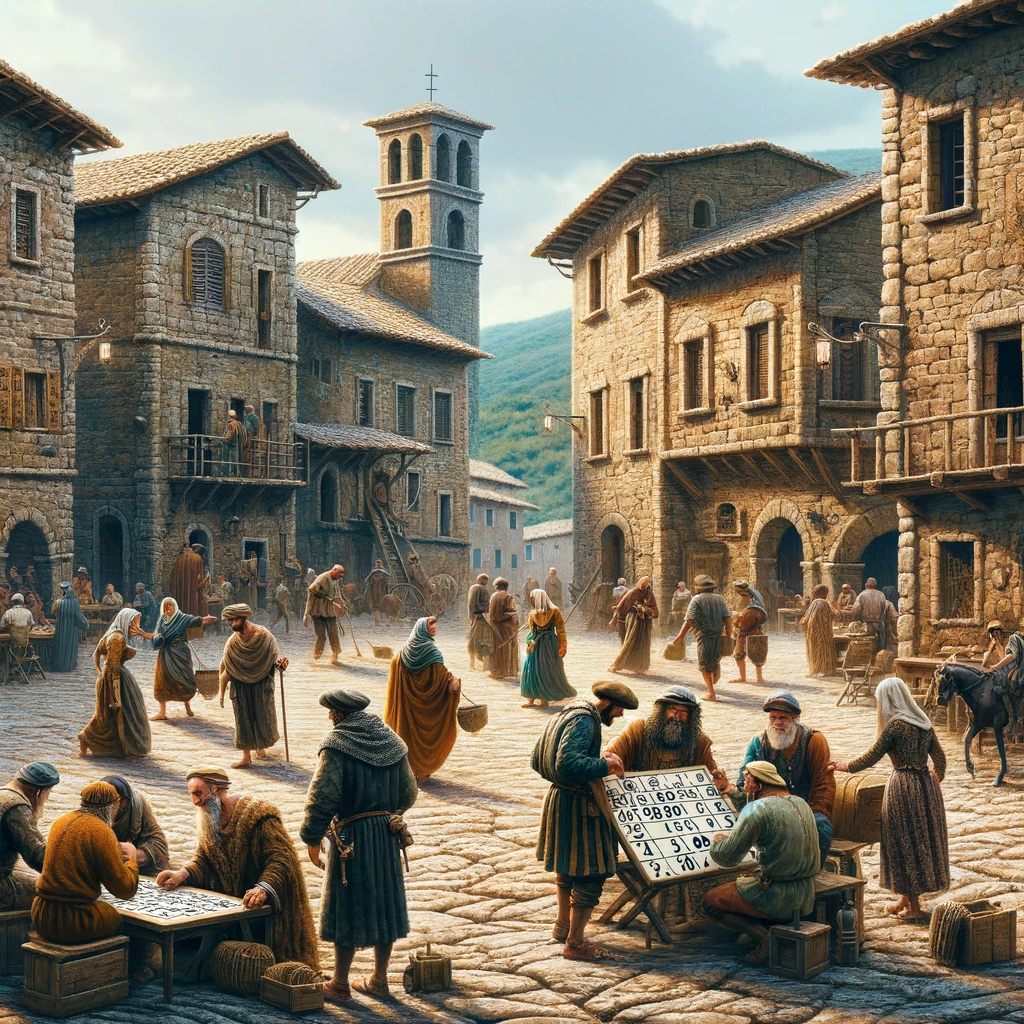
The orgins of bingo

From Renaissance Italy to European Aristocracy

The game, originally known as “Lo Giuoco del Lotto D’Italia,” was a form of lottery in Italy. In the late 1770s, it found its way to France, evolving into “Le Lotto,” favored by French nobility. This transition marked a key change, turning bingo from a public lottery to a more sociable game.

Spreading Across Europe

As bingo traveled through Europe, it adapted to different cultures. In Germany, it was used as an educational tool for children, teaching them mathematics and spelling. When it arrived in the UK, it transformed again, becoming the leisurely game we are familiar with, setting the stage for the modern version of bingo.

Bingo's Journey Across the Globe

The game continued to evolve as it traveled, adopting new formats and names in different cultures.

Arrival in America and the Birth of 'Bingo'

In North America, the game was initially known as “beano” and played at carnivals. A serendipitous slip of the tongue by a player who accidentally yelled “bingo” instead of “beano” led to the game’s new name, which stuck and became iconic.

Cultural Adaptations and Variations

Every country that embraced bingo added its unique twist, showing the game’s adaptability. The variations of bingo, from traditional community halls to modern online platforms, demonstrate its enduring appeal and versatility.

The Evolution of Game Mechanics

Bingo has undergone significant changes over the years, both in rules and gameplay, adapting to new technologies and evolving player preferences.

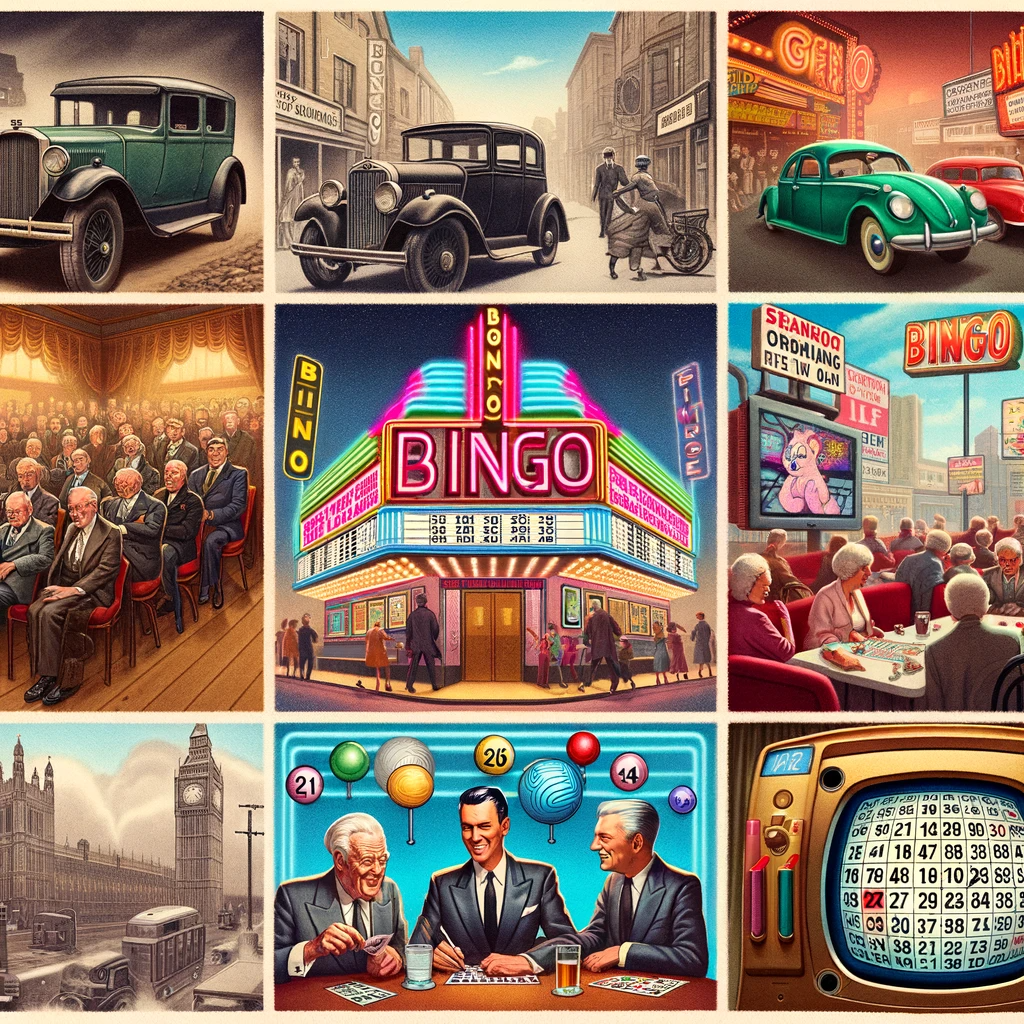
The evolution of bingo

The Modernization of Bingo by Edwin S. Lowe

Edwin S. Lowe, a toy salesman from New York, was instrumental in modernizing bingo in the 1930s. He increased the number of bingo card combinations, reducing the chances of multiple winners and making the game suitable for larger groups.

Technological Advancements and Changes

The digital era brought transformative changes to bingo. The advent of online platforms and mobile apps made the game more accessible, allowing players worldwide to connect and play. This technological leap not only expanded the game’s reach but also introduced new ways to enjoy bingo.

Bingo in the 20th and 21st Centuries

The last century saw a significant rise in bingo’s popularity, particularly in the UK and the USA, where it became a staple of social and recreational life.

Bingo in the 20th century

The Bingo Boom in Post-War Britain

In post-war Britain, bingo halls emerged as community centers, offering entertainment and a sense of belonging. This era marked a golden age for bingo, solidifying its role in social gatherings and community building.

The Digital Revolution and Online Bingo

The internet revolution opened a new chapter for bingo. Online bingo platforms revolutionized the game, offering convenience, a variety of play styles, and global connectivity. This shift ushered in a new generation of bingo enthusiasts.

Cultural Impact and Modern Day Bingo

Bingo’s impact on culture and society goes beyond being a simple game. It has become a part of social fabric in many communities.

Modern bingo

Bingo as a Social Connector

Bingo has long been a tool for socialization, connecting people of various ages and backgrounds. Its simple, engaging format makes it ideal for community events, fostering friendships and social interaction.

The Resurgence of Bingo in Contemporary Culture

Recently, bingo has seen a resurgence in popularity, especially among younger generations. This revival is partly due to its presence on social media and the emergence of themed and novelty bingo nights, adding a modern twist to the classic game.

Conclusion

The history of bingo is a remarkable story of adaptation and popularity. From its origins as an Italian lottery to the digital platforms of today, bingo has continually evolved, maintaining its essence as a source of entertainment and community. Its ability to adapt and remain relevant in changing times is a testament to its enduring appeal.
 

Contact Us

Leave a Reply

Your email address will not be published. Required fields are marked *